 EN
EN
 ko
ko  vi
vi  ru
ru  tr
tr  fr
fr  es
es  it
it  kk
kk  id
id 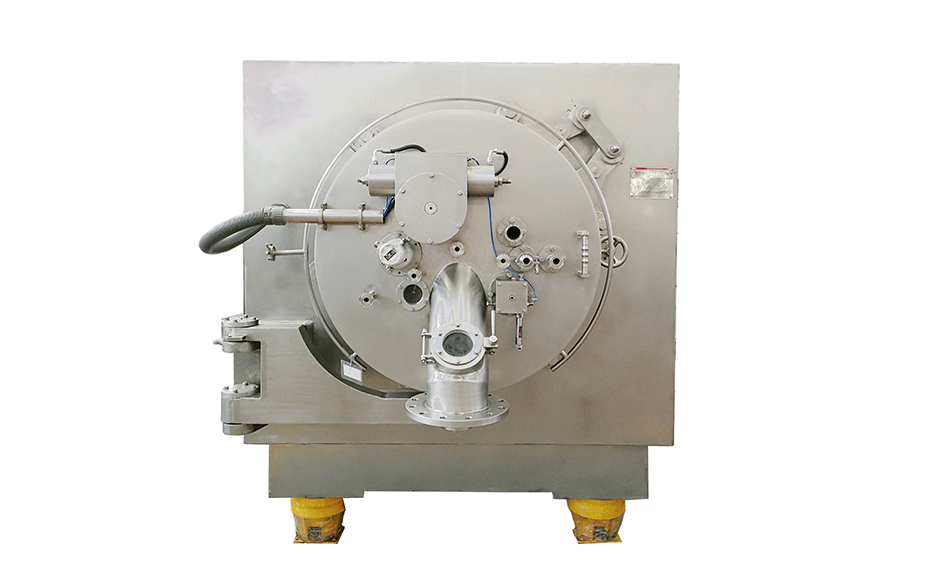
Tel:
0086-523-848088860086-18861028088


A centrifuge is more than a machine that spins material at high speed. In industrial processing, it is a critical separation and dewatering system used to improve product recovery, reduce moisture, wash solids, and prepare materials for subsequent processing. Understanding what is the function of a centrifuge and how is a centrifuge used is therefore important when selecting equipment for chemical, pharmaceutical, food, fertilizer, and other production lines.
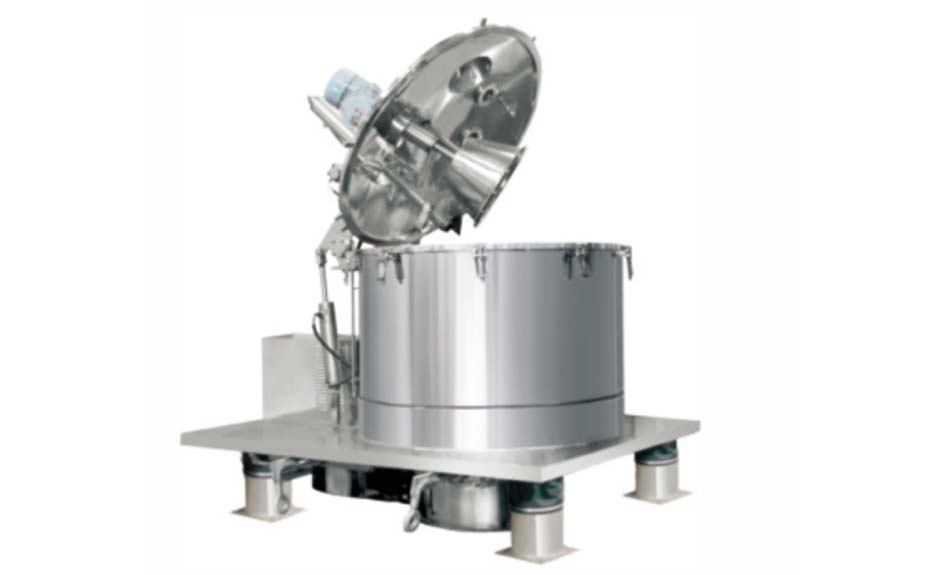
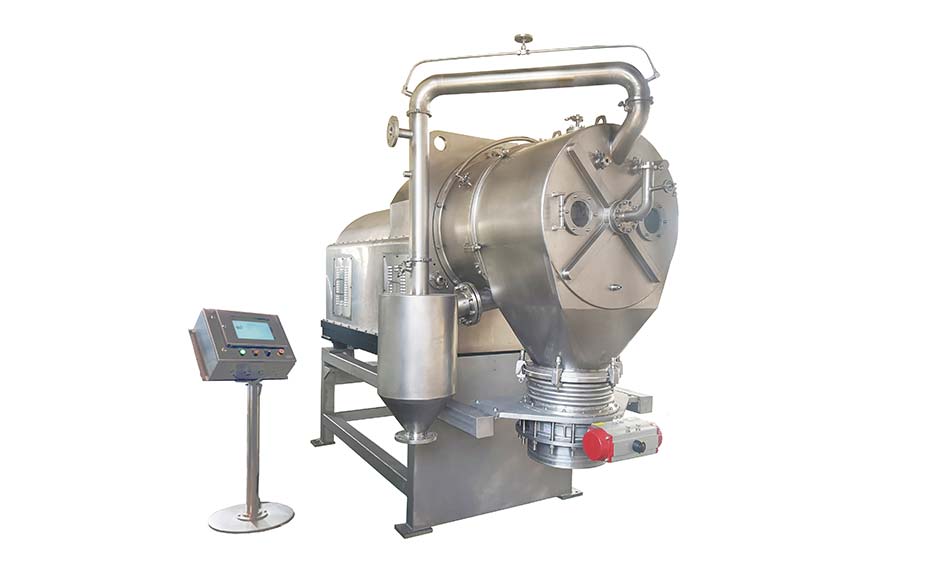
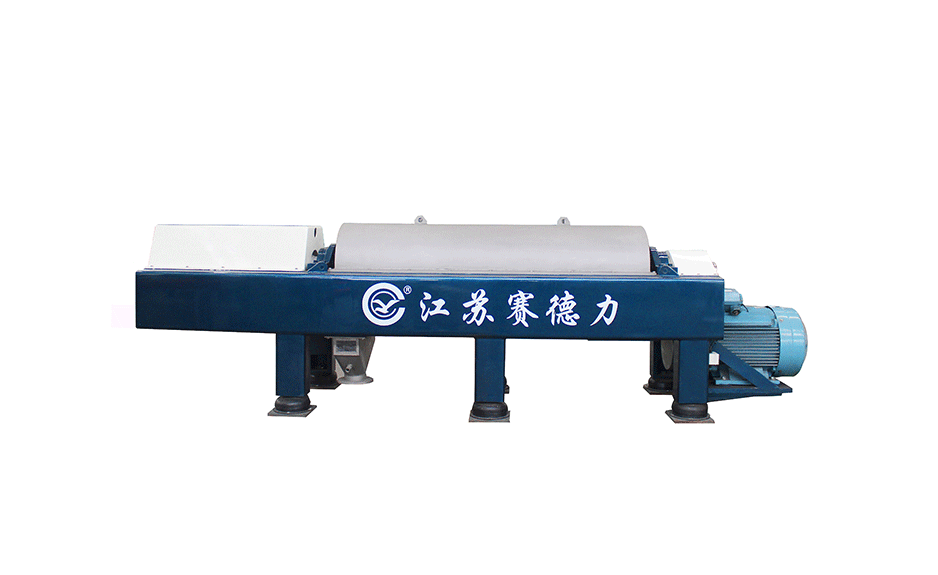
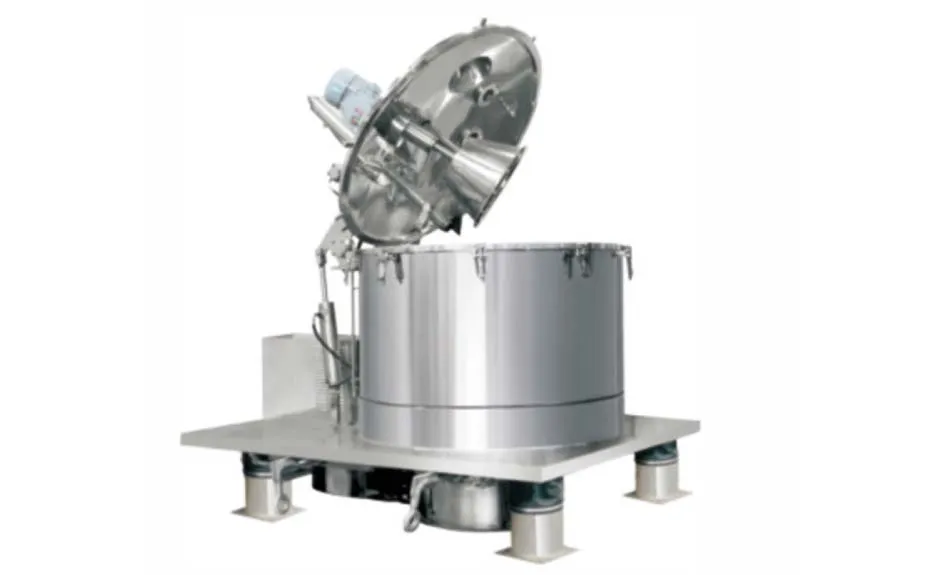
An industrial centrifuge machine uses centrifugal force to accelerate the separation of components with different physical properties. Depending on its design, it can perform filtration, sedimentation, washing, dewatering, or even drying. SAIDELI manufactures several industrial centrifuge configurations, including pusher centrifuges, inverting filter centrifuges, and centrifugal dryers for different process requirements.
The primary function of a centrifuge is to separate phases efficiently by generating centrifugal force. In a typical solid-liquid process, the rotating basket creates a force much greater than gravity, driving liquid through a filter medium while retaining solid particles.
Depending on the equipment configuration, the application of centrifuge machine technology can include:
Solid-liquid separation
Crystal recovery
Filter cake washing
Dewatering
Liquid clarification
Product drying
Continuous solid discharge
Recovery of valuable process materials
The broader industrial application of centrifugation covers chemical processing, pharmaceutical manufacturing, food production, fertilizer production, environmental treatment, and other industries. Alfa Laval similarly describes centrifugal separation as a technology used for separating liquids from liquids and solids from liquids across food, pharmaceutical, energy, water, and waste-treatment applications.
Not every centrifuge works in exactly the same way.
In centrifugal filtration, the feed enters a perforated rotating basket covered by filter cloth or screen. Liquid passes through the medium, while solids remain on the surface and form a cake.
In centrifugal sedimentation, separation occurs because particles or liquid phases with different densities migrate differently within the centrifugal field.
This distinction is important when choosing a centrifugal separator manufacturer, because the feed characteristics determine which separation mechanism is appropriate.
The answer to how is a centrifuge used depends on the production process. In a typical solid-liquid separation line, operation can include feeding, separation, washing, dewatering, and discharge.
A general process is:
Feed → Centrifugal Separation → Cake Formation → Washing → Dewatering → Discharge
However, these stages do not necessarily occur in the same sequence or with every centrifuge.
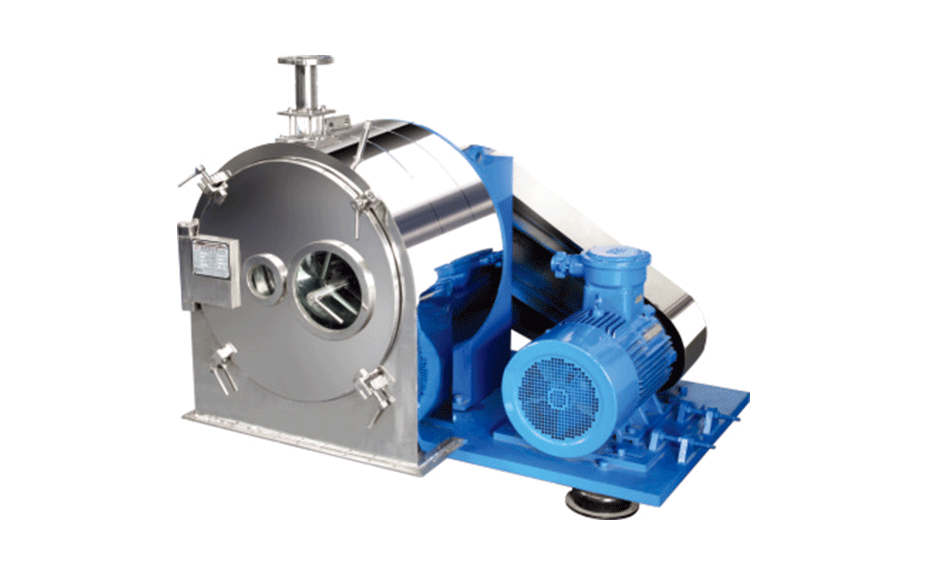
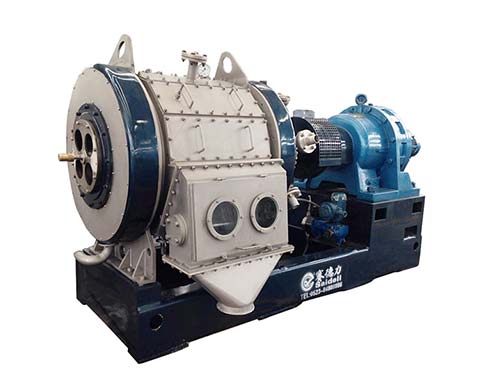
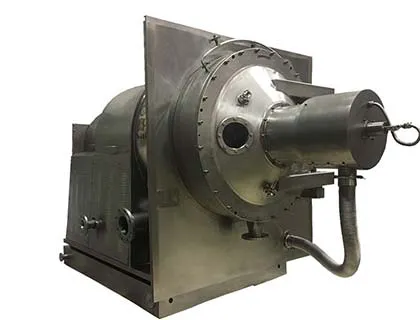
For example, a pusher centrifuge is designed for continuous processing. According to SAIDELI, its HR pusher centrifuge continuously receives suspension, forms a filter cake, pushes the cake between drum stages, and continuously discharges the separated solid.
Knowing how to operate centrifuge equipment requires more than starting the motor. Industrial centrifuges operate at high rotational speeds, so operating procedures should follow the equipment manufacturer's instructions, site safety procedures, and process-specific requirements.
Before operation, inspect:
Filter cloth or screen
Drum and basket
Feed system
Discharge system
Seals and covers
Lubrication system
Sensors and interlocks
Electrical and control systems
The machine should be clean and free from foreign objects or accumulated material.
For pharmaceutical production, cleaning and maintenance procedures are particularly important. The FDA's Q7A GMP guidance states that equipment maintenance procedures should be established and that cleaning procedures should provide sufficient detail for reproducible and effective cleaning.
The centrifuge should normally reach the specified operating condition before feeding begins, depending on the machine design and manufacturer's instructions.
Operators should confirm that:
Rotation is stable
No abnormal vibration is present
Alarms are inactive
The cover is properly closed
Safety interlocks are functioning
Feed concentration and flow rate should match the process design.
Overfeeding can cause excessive cake accumulation, unstable operation, poor separation, or increased mechanical load. For a pusher centrifuge, stable and uniform feeding is particularly important because the equipment is designed for continuous material movement.
SAIDELI's technical guidance notes that pusher centrifuge selection depends on factors including solid concentration, particle size, viscosity, cake strength, and washing requirements.
During operation, operators should monitor:
Feed rate
Motor load
Rotational speed
Vibration
Temperature
Cake moisture
Filtrate clarity
Discharge consistency
The exact parameters depend on the material and centrifuge configuration.
Pusher centrifuge working is based on continuous filtration and mechanical cake transport.
In a typical two-stage pusher centrifuge, the suspension enters the first rotating drum. Centrifugal force pushes the liquid through the screen, while solids form a filter cake. A piston-driven mechanism then moves the inner drum axially, pushing the cake toward the next stage.
The second stage provides additional separation and dewatering before the solid is discharged.
This pusher centrifuge operation allows feeding, separation, washing, and discharge to occur continuously. SAIDELI's HR series includes models with production capacities from approximately 1 to 50 t/h, depending on model and process conditions.
Pusher centrifuges are particularly suitable for crystalline or relatively coarse solid materials and high-solid-content suspensions. Applications include:
Chemical products
Fertilizers
Salt
Pharmaceuticals
Food processing
Environmental materials
The continuous design makes this type of solid liquid separation machine attractive for high-throughput production.
A centrifuge primarily separates and dewaters, but some production processes require additional drying. This is where an industrial centrifugal dryer can provide another processing step.
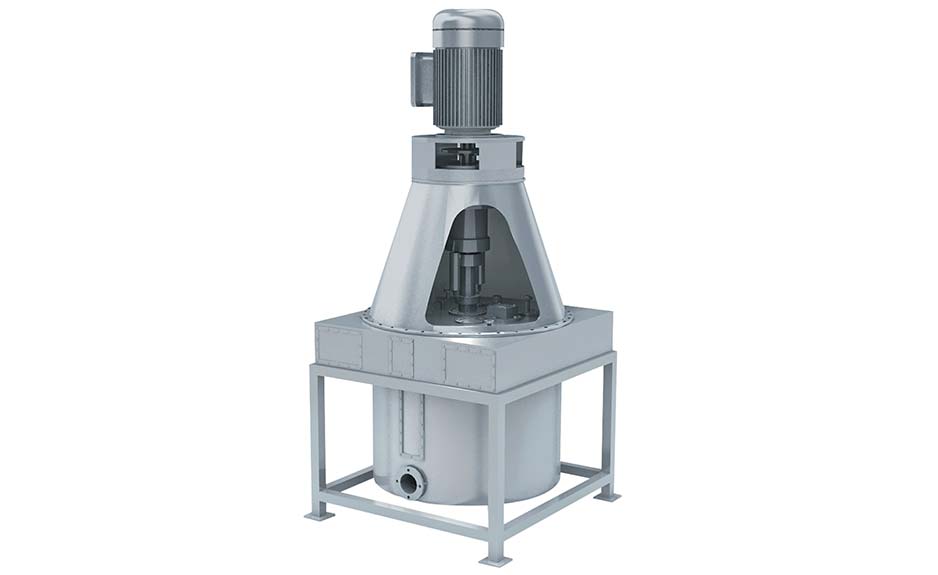
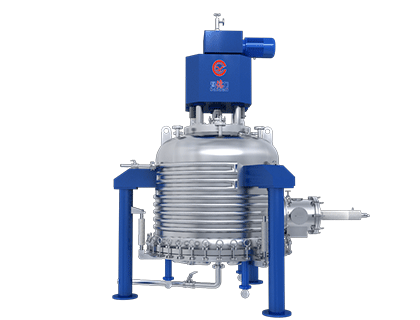
SAIDELI's FSD centrifugal dryer combines filtration, washing, centrifugal dewatering, and drying within an enclosed process environment. Its documented process can include hot nitrogen drying, depending on configuration and application.
A centrifugal drying machine can therefore be considered when the production target is not simply separating liquid from solids, but obtaining a product with a lower residual moisture level before discharge or further processing.
Factor | Standard Industrial Centrifuge | Industrial Centrifugal Dryer |
Main purpose | Separation and dewatering | Separation plus drying |
Liquid removal | Yes | Yes |
Cake formation | Common | Common |
Washing | Depending on design | Possible |
Drying function | Limited | Integrated |
Enclosed process | Model dependent | Designed for enclosed processing |
Typical need | Solid-liquid separation | Low-moisture final product |
Because equipment configuration varies significantly, a centrifugal dryer machine price cannot be determined from drum size alone. Capacity, materials of construction, automation, drying method, sealing requirements, and customized process features all influence the final cost.
When comparing industrial centrifuge price, buyers should consider the complete process rather than only the initial equipment quotation.
Cost Factor | Why It Matters |
Machine capacity | Larger throughput generally requires larger equipment |
Centrifugal force | Determines separation performance |
Material properties | Influences machine configuration |
Construction material | Stainless steel and special alloys affect cost |
Automation | PLC and automatic control increase system capability |
Sealing | Hermetic or pressure-resistant designs require additional engineering |
Washing system | Adds process flexibility |
Drying system | Significantly changes equipment scope |
Safety requirements | Explosion-proof and pharmaceutical designs may require special components |
For this reason, asking only for a centrifugal dryer machine price may not provide a meaningful comparison. The correct approach is to define the material, capacity, separation target, and operating conditions first.
The industrial application of centrifugation varies by material and process objective.
Pharmaceutical centrifuges can be used for crystal recovery, washing, dewatering, and other solid-liquid separation processes. Hygienic design, containment, cleanability, and process control can be especially important.
GEA, for example, highlights automatic CIP, hygienic design, and validation-related features for pharmaceutical centrifugal separation equipment.
Chemical and fertilizer plants often need continuous separation of crystals from mother liquor. Pusher centrifuges can be appropriate when high throughput and continuous cake discharge are required.
Centrifugation can support the recovery, washing, and dewatering of crystalline or particulate food materials. Equipment selection should consider hygiene, product sensitivity, and cleaning requirements.
Industrial centrifuges can also support sludge dewatering and other separation processes where reducing liquid content is important.
Before contacting an equipment supplier, define the following parameters:
1. Feed composition and solid concentration
2. Particle size and crystal morphology
3. Required throughput
4. Target cake moisture
5. Washing requirements
6. Batch or continuous operation
7. Required material of construction
8. Temperature and pressure conditions
9. Cleaning requirements
10. Automation and safety requirements
A professional centrifugal separator manufacturer should be able to evaluate these factors and recommend an appropriate machine configuration rather than simply offering the largest available model.
SAIDELI's portfolio covers horizontal and vertical centrifuges, pusher centrifuges, inverting centrifuges, centrifugal dryers, and filtration equipment, allowing the equipment selection to be matched with different production requirements.
The primary function of a centrifuge is to accelerate separation using centrifugal force. It can separate solids from liquids, separate liquid phases, recover crystals, wash filter cakes, and reduce moisture.
An industrial centrifuge is typically used by feeding material into a rotating basket or drum, allowing centrifugal force to perform separation, and then removing the separated liquid and solid phases through the designated outlets or discharge mechanism.
Centrifuge machine use includes pharmaceutical processing, chemical production, fertilizer manufacturing, food processing, environmental treatment, crystal recovery, and dewatering.
A pusher centrifuge continuously filters a suspension while a piston mechanism moves the solid cake through the rotating drum toward the discharge outlet. This enables continuous separation and solid discharge.
An industrial centrifugal dryer combines centrifugal separation with a drying stage to reduce residual moisture in solids. It is useful when dewatering alone does not achieve the required final product condition.
Industrial centrifuge price depends on capacity, material, rotational speed, automation, sealing, washing, safety requirements, and customized process specifications. A process-based quotation is more useful than a generic price.
The function of a centrifuge goes far beyond simple spinning. In industrial production, it can provide controlled separation, dewatering, washing, crystal recovery, and, with specialized equipment, drying.
Understanding how to operate centrifuge equipment also requires attention to feed conditions, machine parameters, safety systems, maintenance, and cleaning. For high-throughput applications, pusher centrifuge working principles provide continuous separation and discharge, while an inverting filter centrifuge can offer enclosed processing and gentle product discharge. For applications requiring further moisture reduction, an industrial centrifugal dryer can integrate separation and drying into one process.
With the right process data and equipment configuration, an industrial centrifuge machine can become an important part of an efficient and reliable solid-liquid separation system.